The branding stories everyone was talking about during the 2026 FIFA World Cup
For six weeks, the world’s attention centered on football. Yet some of the most interesting branding stories from the 2026 FIFA World Cup had little to do with what happened on the pitch—or even with the tournament’s official advertising campaigns.
A denim company gained global attention after its name was covered. A ketchup brand turned censorship into packaging. Ranch dressing became an unlikely American cultural export. And David Beckham appeared so frequently that his personal brand seemed to have its own media plan.
These moments offer a more revealing picture of marketing around a global event than a traditional roundup of the tournament’s best commercials. They demonstrate that cultural relevance does not always come from purchasing the most prominent sponsorship package. Sometimes it comes from recognizing an unexpected opportunity, responding quickly, and possessing a brand identity strong enough to remain recognizable even when the logo disappears.
When covering a logo creates more attention
One of the most talked-about branding moments came from the tournament's host stadiums.
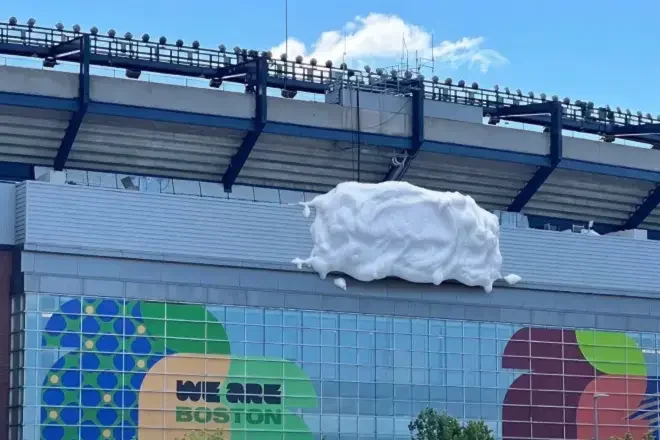
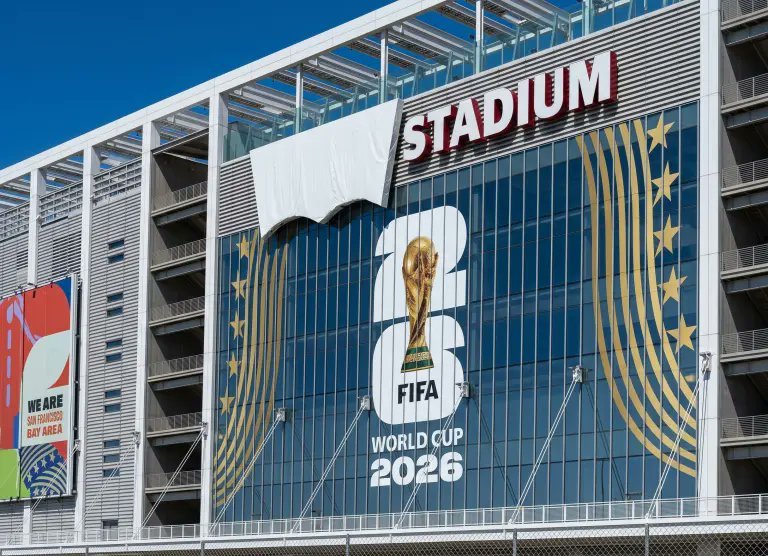
Because FIFA requires non-sponsor branding to be removed from venues during the World Cup, iconic stadium names like Levi’s Stadium and Gillette Stadium were temporarily replaced with generic names. Large signs were covered, but the outlines of the original branding remained visible, quickly becoming a viral topic online.
Rather than fighting the restrictions, brands like Levi’s and Gillette leaned into the moment with clever social media responses, while Heinz joined the conversation with limited-edition packaging that mimicked the “covered” look.
Trying to hide these brands only reminded people how recognizable they had become. It’s a powerful lesson in distinctive brand assets: when your visual identity is strong enough, consumers recognize your brand—even when the logo disappears.
Hidden Valley Ranch found an unexpected World Cup audience
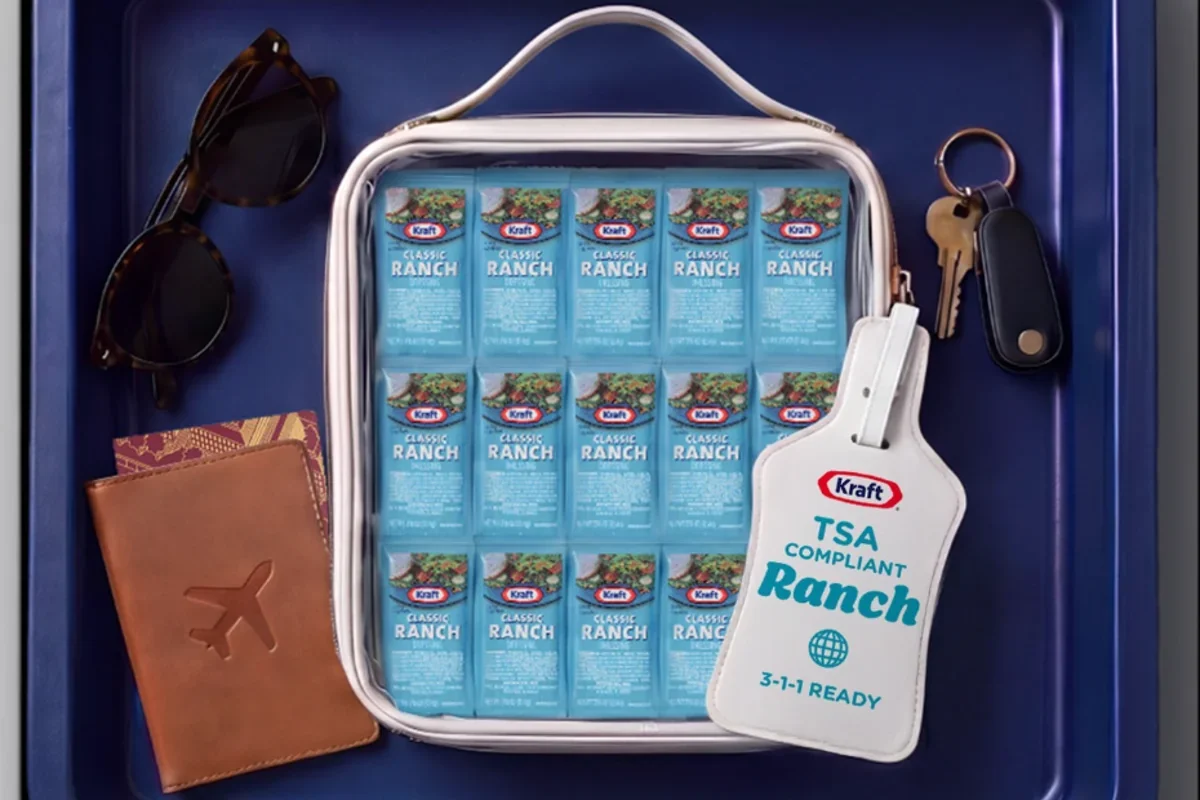
One of the tournament’s most surprising marketing wins came from Hidden Valley Ranch.
As international fans arrived in the United States, the brand embraced ranch dressing as an unmistakably American experience. Airport activations, sampling, and social media helped transform an everyday condiment into a conversation starter for visitors experiencing American culture for the first time.
Rather than advertising during the matches themselves, Hidden Valley inserted itself into the fan journey before supporters even reached the stadium.
The campaign demonstrated that the best opportunities don't always happen inside the event—they often happen around it.
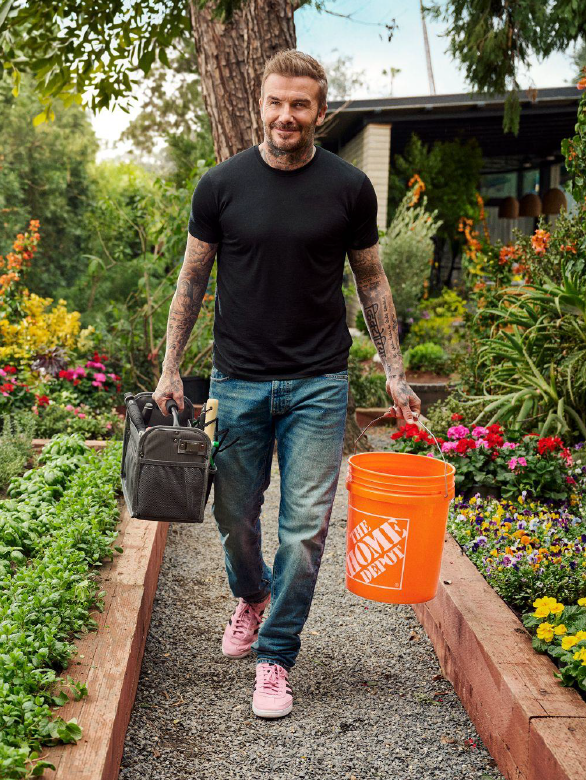
Why David Beckham was everywhere
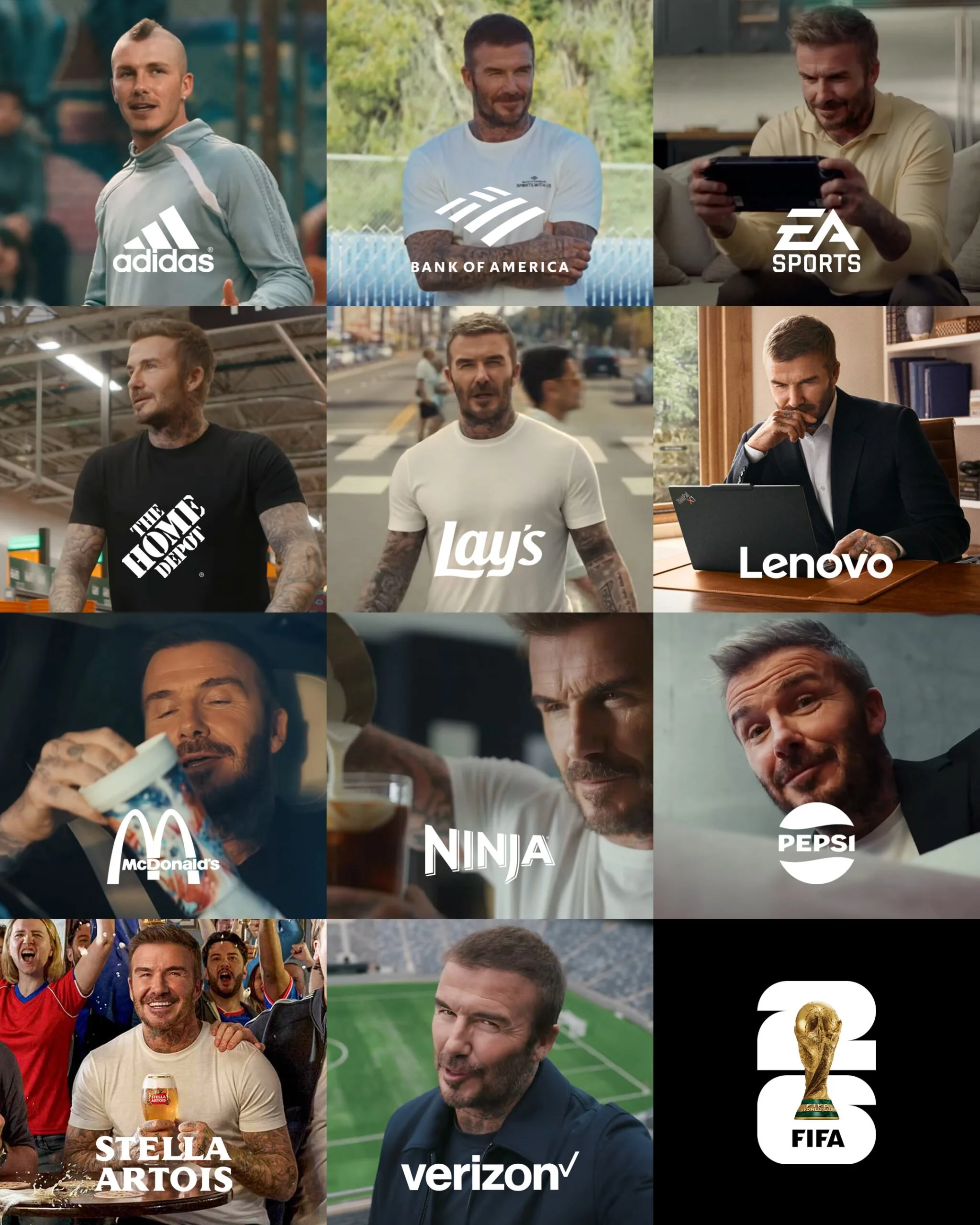
If there was one person who seemed impossible to avoid during the World Cup, it was David Beckham.
By the end of the World Cup, Beckham had appeared in campaigns for Adidas, Bank of America, EA Sports, Home Depot, Lay’s, Lenovo, McDonald’s, Ninja Kitchen, Pepsi, Stella Artois, and Verizon, among others. It became almost impossible to watch a match without seeing him before kickoff, at halftime, or during the post-game coverage.
For marketers, his presence highlights both the value and the challenge of celebrity partnerships. A recognizable face can instantly elevate a campaign, but when one personality represents too many brands at once, individual campaigns risk blending together.
In many ways, Beckham has become a brand rather than simply a celebrity endorser. But his ubiquity also raises an interesting marketing question: at what point does a spokesperson become too recognizable?
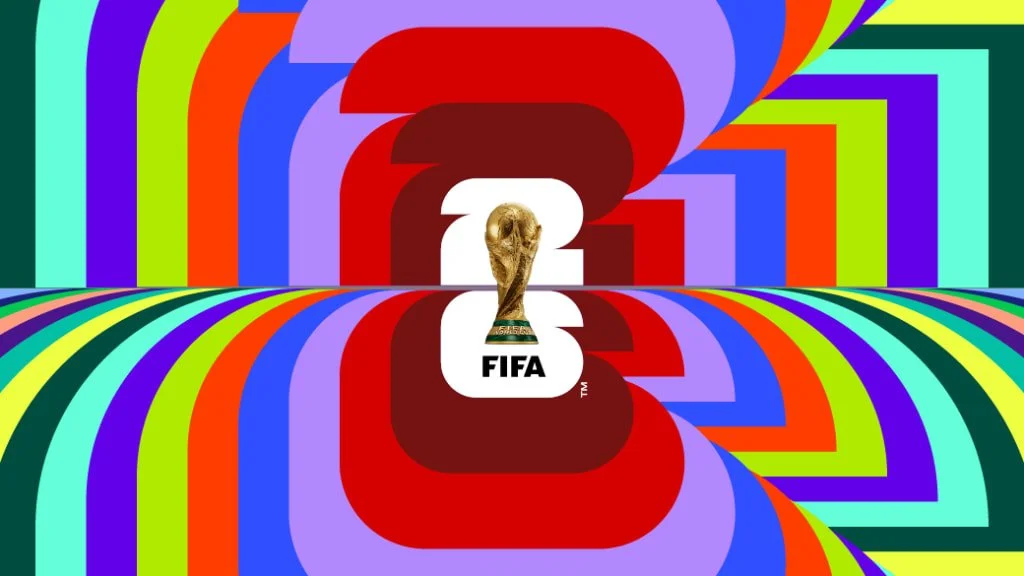
The World Cup’s brand identity was bigger than a logo this year
One of the most impressive branding achievements of the tournament wasn’t a sponsor at all—it was FIFA’s own identity system.
Hosting a World Cup across three countries and sixteen cities presented an unprecedented challenge. Previous tournaments could lean into the culture of a single nation. This time, FIFA needed an identity that could represent Miami and Mexico City, Toronto and Los Angeles, Seattle and Guadalajara—all while still feeling like one cohesive tournament.
Rather than forcing every city into identical branding, FIFA created a flexible design system. Each host city received its own visual identity inspired by local landmarks, colors, culture, and artistic style, while maintaining the same core framework, typography, “26” graphic, and WE ARE 26 campaign. The result was a family of brands rather than sixteen competing identities. Every city felt distinctly local, yet unmistakably part of the same World Cup.
The official host city posters reinforced this strategy beautifully. Instead of producing one generic tournament poster, FIFA commissioned local artists to create sixteen unique designs that celebrated each city's personality—from Miami's tropical energy to Seattle's natural landscape and Mexico City's rich cultural heritage. Despite their differences, the posters shared enough visual DNA that they felt connected as one collection rather than unrelated artwork.
It’s a lesson many global brands can learn from. Consistency doesn’t require uniformity. The strongest brand systems create enough structure to be recognizable while leaving enough flexibility for local expression. FIFA wasn’t simply designing a logo—it was designing a scalable identity system that worked across stadium signage, broadcast graphics, merchandise, digital platforms, wayfinding, and sixteen very different host cities. That’s why the branding felt cohesive without ever feeling repetitive.
Final thoughts
The most memorable branding moments from the 2026 World Cup weren’t necessarily the biggest advertisements. They were the moments that felt woven into the experience itself.
For marketers, that’s perhaps the biggest takeaway from this year’s tournament. Visibility isn’t always earned by spending the most money. Sometimes it’s earned by having a brand that’s distinctive enough—and a strategy that’s flexible enough—to join the conversation in unexpected ways.